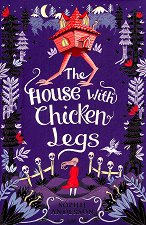
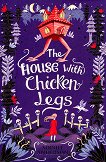
Marinka dreams of a normal life, where her house stays in one place long enough for her to make friends. But her house has chicken legs and moves on without warning. For Marinka's grandmother is Baba Yaga, who guides spirits between this world and the next. Marinka longs to change her destiny and sets out to break free from her grandmother's footsteps, but her house has other ideas..."A bold and beautifully-built adventure, The House With Chicken Legs is enticing, a little bit dangerous, and thrumming with possibilities." Kiran Millwood Hargrave ... |
|
|
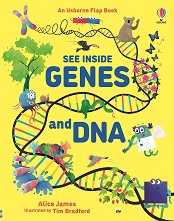
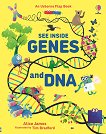
A fun, highly illustrated guide to what genes and DNA are, and how they work. What are genes? What do they do? How did DNA make everything? Budding scientists, meet genes and DNA, the building blocks of all life on Earth. Colourful illustrations, plenty of flaps, and lots of silliness, make the hard science of genetics fun for kids who want to know more. Illustrated by Tim Bradford. ... |
|
|
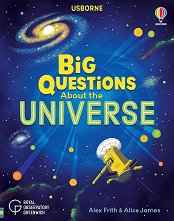
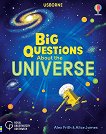
The questions in this book were curated by the staff at the Royal Observatory Greenwich, in London, to address all the most common - and a few uncommon - things that children want to know about the universe and about outer space. It covers a mixture of basic questions about planets, moons, human exploration and the origins of the universe, as well as tackling really big questions such as 'How do black holes work?, Is it worth going to space? and What's going to happen at the end of time? Join two curious children and a robot programmed with all the answers as they guide readers through some of the most mind- ... |
|
|
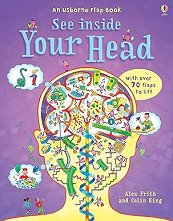
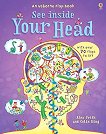
A thought-provoking flap book on how the brain and senses work presented in a clear, colourful, and above all fun way. From how the brain learns to do new things like playing to tennis to what happens when the brain goes wrong, this book explains the essential part the brain plays in our every thought and action. With over 70 flaps to lift, each hiding an interesting fact or fun visual illusions, this book provides a great introduction to the hidden world of the mind. Chapters in this book include: your mighty brain; control room; making sense of the world; making non-sense of the world; who am I; see inside ... |
|
|
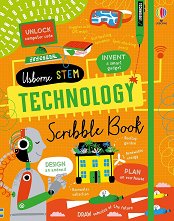
Discover high-tech gadgets, design robots and machines, and solve all sorts of technological puzzles in this innovative activity book filled with inventions to brainstorm, puzzles to solve and objects to design. Includes downloadable templates and links to inspiring websites about technology today. Illustrated by Petra Baan. ... |
|
|
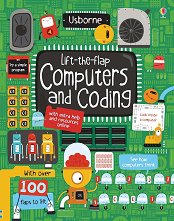
Flaps to lift on every page reveal what goes on inside a computer, how coding works and how computers talk to each other across the internet. The principles of coding, from simple commands to algorithms, are explained with a treasure hunt game and puzzles, and there are examples of programs in the coding language Scratch™. Includes internet links to specially selected websites where children can discover more coding ideas, tips and games. Computer coding is now a compulsory topic on the UK National Curriculum for primary schools, and children learn to create and debug simple programs at Key Stage 1. ... |
|
|
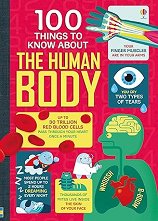
Did you know you cry two types of tears? And up to 30 trillion red blood cells pass through your heart in a minute? With colourful, infographic-style illustrations this informative book is packed with surprising facts and useful information on exactly 100 topics about the human body. A useful reference book for home, school and general knowledge quizzes. ... |
|
|
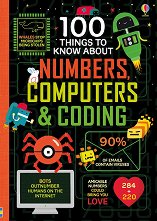
Did you know there’s a single spot on your brain that recognizes numbers? Or that the first computer bugs were actual insects and that most of the internet is under water? This fascinating book is filled with 100 fascinating facts, bright, infographic illustrations, a glossary and index, and links to specially selected websites to find out more. ... |
|
|
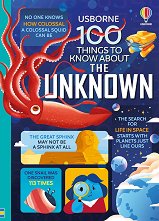
What is dark matter? How fast could a T. rex run? How did Mary Queen of Scots keep her dying wishes secret from her enemies? Scientists and historians have discovered a lot about our past, our future and how the world works, but so much remains unknown. This exciting information book filled with 100 fascinating and mind-blowing facts explores the edges of human knowledge and the vast world of science just waiting to be uncovered. With eleven books to explore in this best-selling and award-winning series, there are over 1,100 facts to discover. Packed with bold, graphic illustrations and clear text, the series is perfect ... |
|
|
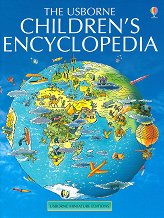
Illustrator: Colin King. This book is a special of "Usborne miniature editions" series. ... Did you know that a pin head as hot as the sun would kill you from 150 km. (100 miles) away? Or that more people speak Mandarin than any other language in the world? This miniature edition of the best-selling "The Usborne Children's Encyclopedia" is fascinating, fun and packed with amazing facts. It covers a vast scope of information - from the Earth, its plants and animals, to its people and their discoveries. What makes rainbow? Why do people wear clothes? Now do birds fly? Don't panic - the answers ... |
|
|
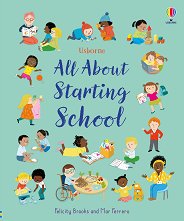
What is a school? Why do we have to go there? How will we get there? What do we need to take? Who will we meet and what will we do when we are there? These and many more questions are answered in this engaging and reassuring introduction to schools of all kinds. Children can find out about who works in a school, what happens during the school day and get tips on how to make friends. Includes Quicklinks for further information and useful notes for grown-ups on helping prepare children for the big day. Illustrator: Mar Ferrero. ... |
|
|
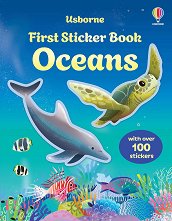
From the wide-open ocean to a bright and bustling coral reef, explore all sorts of ocean habitats and discover the amazing creatures that inhabit them. Children will love discovering some amazing marine facts while they add over 100 stickers to the various underwater scenes. Illustrator: Amanda Shufflebotham. ... |